It is crucial that we allow the older generation to step aside with their dignity intact and in peace. We must empower the younger generation to shape their own future and guide our community forward
By Abdulkarim Sayid Sadiq
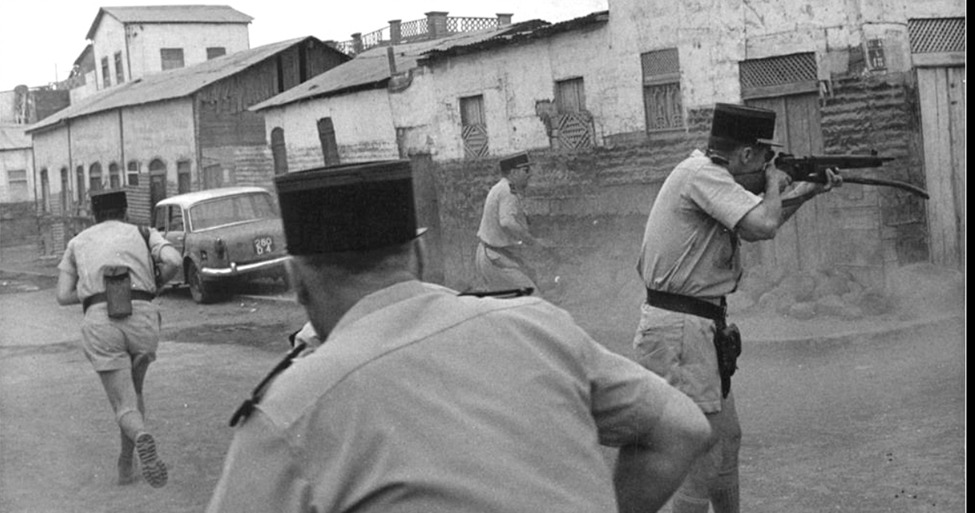
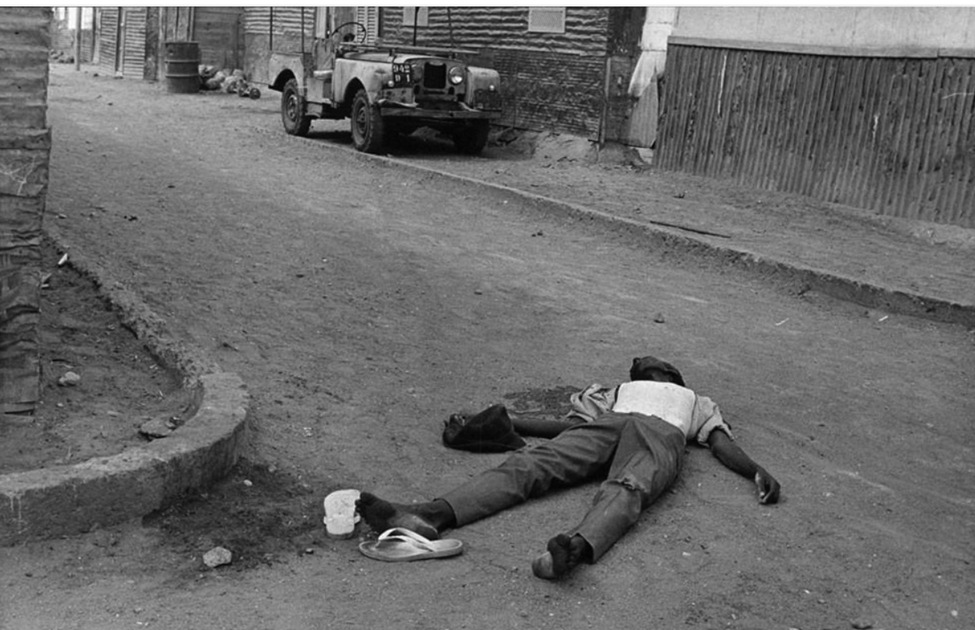
In August 1967, President Charles de Gaulle visited Djibouti and encountered an embarrassing situation. He planned to give a speech in the main square, but riots broke out, leading the governor Louis Joseph Édouard Saget to cancel it after a gendarme was killed and many people were injured. Tragically, 11 demonstrators lost their lives in the clashes between protesters and the police.
During that same month, French troops conducted house-to-house searches in the African neighborhoods of Djibouti City, rounding up thousands of men and women and placing them in barbed-wire detention camps in the desert near the border. This mass deportation of Djibouti residents began because many lacked proper documentation.
Between August 1966 and March 1967, approximately 6,000 to 10,000 ethnic Somalis were expelled, predominantly from the Gadabuusri tribe. I vividly remember when my uncle, Nuur Muuse Bookh Bili Bili, was deported and came to stay with our family.
Before Mandela, we saw influential leaders such as Jamac Saylici and Djibril Jilane. Prior to Kenneth Kaunda and Julius Nyerere, figures like Omar Osman Rabeh, Mohamed Osman Huffaneh, Omar Shardi, and Xashi Abdillahi Orax, as well as Adan Robleh Awaleh, shaped our
Abdoo Sayid: Fifty-nine years ago, many members of the Gadabuursi community faced deportation from Djibouti, and tragically, others lost their lives. More recently, we witnessed a heartbreaking incident in which 21 young individuals were killed in downtown Borama. This serves as a poignant reminder of our past.
We must recognize the urgency of the situation. If we do not take proactive measures, we risk further displacement from our cities, such as Borama, Zeila, Boon, Qulinjeed, Dila Kalabeydh
[10:15, 2/27/2026] Abdoo Sayid: Tragedy
It is crucial that we allow the older generation to step aside with their dignity intact and in peace. We must empower the younger generation to shape their own future and guide our community forward
By Abdulkarim Sayid Sadiq
In August 1967, President Charles de Gaulle visited Djibouti and encountered an embarrassing situation. He planned to give a speech in the main square, but riots broke out, leading the governor Louis Joseph Édouard Saget to cancel it after a gendarme was killed and many people were injured. Tragically, 11 demonstrators lost their lives in the clashes between protesters and the police.
During that same month, French troops conducted house-to-house searches in the African neighborhoods of Djibouti City, rounding up thousands of men and women and placing them in barbed-wire detention camps in the desert near the border. This mass deportation of Djibouti residents began because many lacked proper documentation.
Between August 1966 and March 1967, approximately 6,000 to 10,000 ethnic Somalis were expelled, predominantly from the Gadabuusri tribe. I vividly remember when my uncle, Nuur Muuse Bookh Bili Bili, was deported and came to stay with our family.
Before Mandela, we saw influential leaders such as Jamac Saylici and Djibril Jilane. Prior to Kenneth Kaunda and Julius Nyerere, figures like Omar Osman Rabeh, Mohamed Osman Huffaneh, Omar Shardi, and Xashi Abdillahi Orax, as well as Adan Robleh Awaleh, shaped our
Fifty-nine years ago, many members of the Gadabuursi community faced deportation from Djibouti, and tragically, others lost their lives. More recently, we witnessed a heartbreaking incident in which 21 young individuals were killed in downtown Borama. This serves as a poignant reminder of our past.
We must recognize the urgency of the situation. If we do not take proactive measures, we risk further displacement from our cities, such as Borama, Zeila, Boon, Qulinjeed, Dila Kalabeydh